
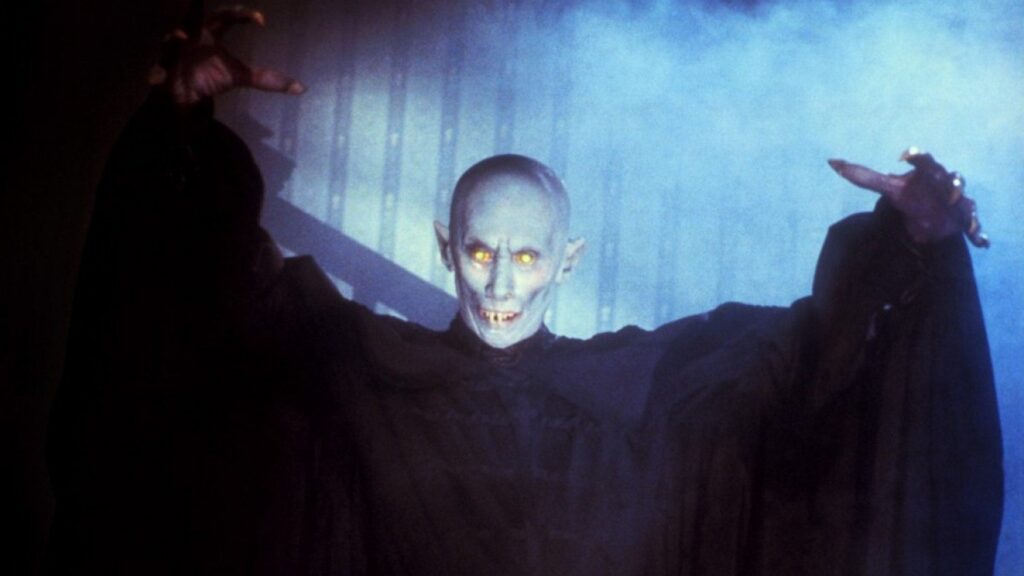
I don’t think questions about vampires and The Buffalo Hunter Hunter are over, but here soon the focus will be Off the Reservation, so Q&A’s will likely be less vampire-oriented, anyway. But, one main answer I keep giving varying and hopefully not conflicting answers about involves how’d I design the vampires in BHH—or, why’d I do them like that?
My answer: for me to invest intellectually and emotionally in a creature enough that I can go novel-length with it, I have to believe in it—I have to feel it’s . . . “possible” is maybe pushing it. But: “not contradictory,” anyway? It’s what I did with the werewolves in Mongrels, say. How my thinking went, for just a couple representative traits/characteristics:
- Conservation of Mass: it’s always off to me when a 150lb person of average height transforms into a nine-foot tall 350lb monster. Where’s that extra come from—and, on going back to human, where might it go?
- Moon-as-Trigger: since moonlight is just reflected sunlight, then . . . what’s the actual difference? Wouldn’t the sun, being just more intense “mooonlight,” trigger a transformation faster, more violently? I mean, sure the moon’s regolith might have some property that reflects sunlight in a unique way—which I toyed with making use of. Just, I wanted this story happening on Planet Earth, not on the moon, or in data about the moon that I’d have to wedge in.
That track?
So, when it came to the vampires in BHH, I just had to put on that same thinking cap. But, first, I had to consider what’s my absolute favorite version of the vampire? Which was easy:
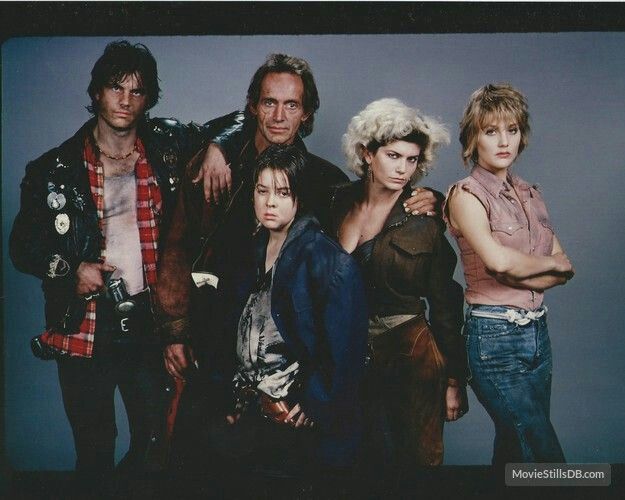
These vampires A) are strong B) need blood,) are long-lived if not immortal, and D) are mortally allergic to sunlight. And? That’s pretty much it, isn’t it? They don’t even have fangs, so have to carry little blades to cut their victims. It’s elegant, it’s simple, and it makes for some brutal, good fun.
So, the easy answer to how I designed the vampires in BHH, it’s that I took Near Dark as my lead, and then added some stuff back on to serve the story. But, too: “design,” really? That’s giving me a lot of credit. I didn’t make a list of vampire traits and put check marks by these ones, Xs by other ones. I just, really, started out with Jesse from Near Dark, and adjusted as necessary for culture and era. However—lot of adjustments, yes. As happens every time out, with every writer who writes about vampires.
Which, I sort of think, is why the vampire we’ve inherited is sort of . . . inconsistent? As in, its traits don’t always complement each other, or feel like they evolved in some sort of tandem? Trick is, we’ve been telling vampires stories for centuries and centuries, right? Starting out, they were pretty much revenants: Bob died, we buried him out past where the houses of the village are, and, when people starting turning up sick or dead, we went and dug Bob up, and, sure enough, he had blood on his mouth, meaning he’s been rising at night to feed on us. That’s the basic build, yes? Then we fancied it up over all the many, many retellings.
Which is where the fun—and the inconsistencies—begin:
Invitations
So, Bob’s coming into the village to feed night after night. That’s great for a single scary story to tell after the evening meal, with the fire flickering. But what if we want to tell this story again and again? Well, then we have to put some limitations on Bob, elsewise, since there’s only sixty people in the village, all he needs is a single season to have killed everyone. So some bright storyteller comes up with the idea to slow Bob down: he can only get the villagers who don’t follow the rules, who unwittingly invite this dead dude in. This has the added “benefit,” socially, of making outsiders and newcomers the most vulnerable—isn’t that sort of closing-ranks exclusivity part of having and maintaining a stable community? Not endorsing it, but it’s a legitimate dynamic, I’m fairly sure. Feel kind of like I’ve been subject to it a few times, I mean . . .
Sunlight
But how is the village ever supposed to tend their fields and do commerce with Bob always shuffling around? Easy: dude can just be nocturnal, right? But not by preference, by necessity: the sun is deadly to him. Sure, this doesn’t really get going until Nosferatu in 1922, so it’s a latecomer. But it’s one of the Bigs, too. I don’t think Bob was happy about it, either. Makes sense he might harbor certain antipathies regarding us.
Stakes
Cool thing about stakes? The wood used to not matter, with them. Originally, stakes were just what you used to pin Bob and his ilk to the ground, to keep them from climbing up from the grave, feeding (see also: bricks and rocks in jaws, blades across necks). But, since they were so effective and portable, the stakes themselves became the thing. However, stakes were dangerous too, weren’t they? They made Bob too easy to kill. You didn’t even have to get within his bite radius anymore. So, the story patch on that was obvious: it’s got to be through the heart. Which is a trick to do at distance, so: bring the villagers back into the danger zone, as, in stories, that’s always where they should be.
Transformations
First, this is a bit of a carryover from all the fears of witches—all those stories about hunters seeing a rabbit go under a bush, a woman walk out, so they load the the silver buttons of their jackets into their muskets, kill that “witch.” By popular account, silver was even what brought the Beast of Gévaudan down, right? But we’re slipping over into werewolf lore. What to take from it, though, is that any creature that can transform is untrustworthy and dangerous. And, we already know Bob, he’s untrustworthy and dangerous, right? So he was primed to transform. I imagine the first time he got to do that was when, in some story being spun after dinner, Bob got cornered in a barn, was about to get dispatched by the villagers, but this storyteller, not wanting this to be the last installment—that is, needing the cautionary tale of Bob to stick around, so as to scare people indoors at night—came up with a fast patch: Bob transforms! Maybe to a wolf, a bat, or maybe to . . . spooky fingers . . . mist! And, when that worked, when it allowed another installment of the story to be told? This patch got coded in. Same as the rest.
Immortality
This is the obvious way to keep telling Bob stories forevermore, of course. But, really? If Bob’s risen from the grave, then he’s already past death, he’s already shrugged off the mortal coil, so, barring all the ways he can be killed, he’ll just keep doing what he does.
Strength & Speed & Heightened Senses
This is an obvious one, right? But it comes from a couple directions, I think: the first is that Bob, being a predator, should probably have predator characteristics, shouldn’t he? And the main things predators are known for, as they need it to eat—that is, what makes them scary—it’s strength and speed to overpower their prey and the great senses that allow them to know about that prey before that prey knows they’re there. But, too, since there’s only one Bob and a whole village of people, we want to be sure that the only way to overpower him is to . . . which is so often the thing in horror: work together. Which is to say, the lone person, the person who says they don’t need anybody, they’ll just go work their fields in the moonlight alone, they’re pretty much asking for it, as one person’s got no strength against a predator like this. And what’s the best defense against something with great senses? First, it’s multiply your own senses: more eyes, more ears, more noses. Also, be constantly vigilant—never let your guard down.
Regeneration
Again: if you’re going to have a creature showing up in serial format, then all the post–dinner episode arcs, the single installments, will involve somehow overcoming Bob. But, how to then feature Bob the next time out? Easy: dude heals, and fast. Probably from drinking more blood; that’s a bodily mechanism we understand. But, maybe from exposure to moonlight, too, which has the added benefit of allying Bob with the Night, and all its many evils, “darkness” of course being dangerous, nothing good happening after midnight, all that. And, really, just time is enough for most vampires.
Mesmerizing
Hypnotizing, all that. Once Bob got less monstrous, less maggoty and grave-stinky, he could start to move among us, as one of us, yes? I mean, this is the scary part of Polidori’s “The Vampire,” yes? But, we villagers being social, word might spread about that one dude always so politely knocking on the front door. Easy fix for that’s if nobody remembers: you can’t pass on knowledge you don’t know you have. And, this makes the vampire story start to really turn on dramatic irony: we the audience know the danger this or that character’s unwittingly courting, but that character doesn’t have a clue. Hitchcock’s bomb is ticking under the table, and these would-be diners have no idea . . .
And, I’d class the vampire being able to lick their finger to “heal” the fang holes they’re leaving in this same category. Just replace some terms: same thing. Bob, he moves among us.
Flight
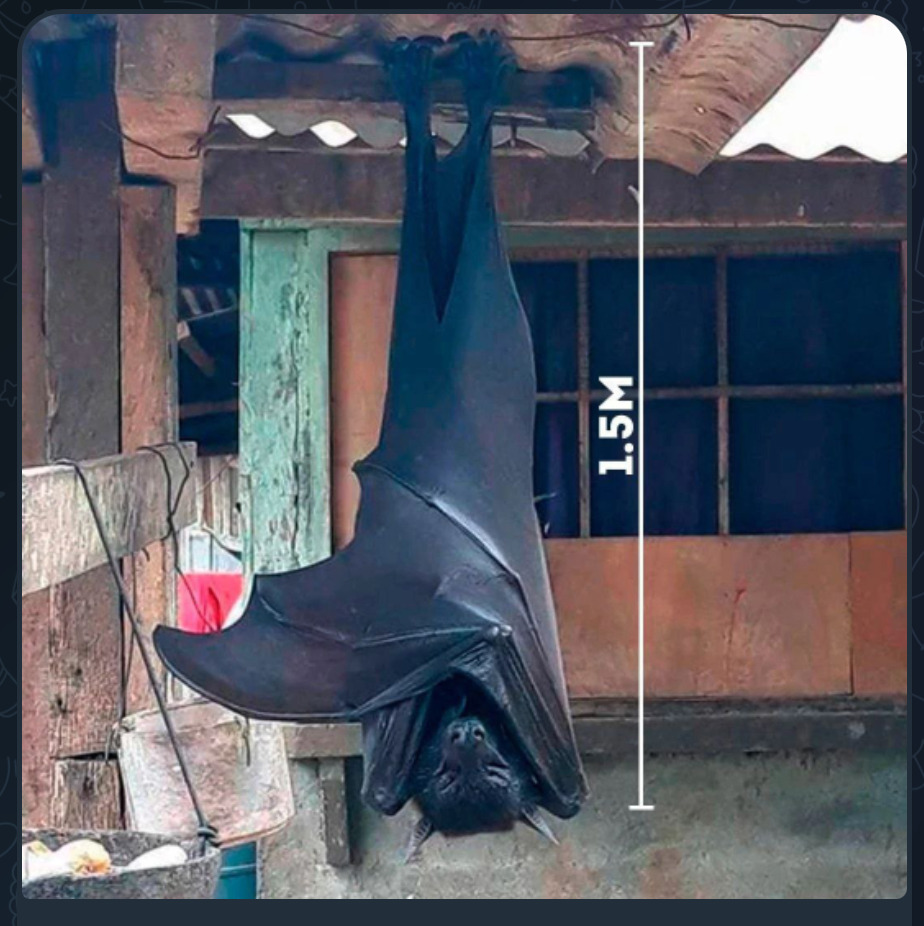
My admittedly petty objection to vampires being able to fly is the same as my questions about how Superman and all them do it: by what mechanism? I mean, even Namor, he’s got those little heel-wings, doesn’t he? Granted, they’re about sparrow-sized, but still: at least there’s a nod to his being able to fly. Wonder if this has something to do with the vampire being able to transform into one or many bats? Or maybe their compulsory capes are somehow wings? I do get how flight makes the story better, anyway: walking home in the dark’s scary enough, but if there’s something in the huge, unseeable sky above you? Yeah, not ideal. And, I wonder if this is some vestigial memory of how big predator birds used to steal us up from the savanna back when were three and four feet tall. But, who knows, maybe it comes from actual bats:
Telepathy
You’d think this would be of a piece with mesmerism, yes? It sort of is, but, the way I read it, it’s really closer to strength and speed and heightened senses: you can even be stalked in your own head / their ‘hearing’ is tuned high enough to even hear your thoughts. The takeaway from this is: you’re never alone. And that’s scary. Stay out of our heads, Bob. It’s bad enough you keep getting all these extra powers. But now we can’t even think our own thoughts without you peeking into our heads? Always wondered if this trait/power doesn’t have something to do with resistance to government surveillance and oversight, really, Bob’s investments having matured over the centuries so he’s very upper crust, might be holding some certain puppet strings . . .
Garlic and Silver and Crosses
Silver’s always good for whatever supernatural creature/person’s bothering you—it’s antimicrobial, which is to say: it resists infection, corruption, all that. Garlic is supposed to have similar “I resist evil” properties, but, too, those with the blood-disease porphyria really react to it, and, of course, what’s vampirism if not a blood disease (this is dangerous thinking, of course, but, I mean, it’s not like that’s ever stopped villagers . . .). As for crosses, I suspect that them becoming ammo/shield against vampires was just a way for the Church to supercharge itself. But, too, vampires have sort of become the Christian boogeyman: isn’t Jesus supposed to be the only one to rise from the dead? (well, okay: Lazarus too) And isn’t their blood drinking a heretical version of the Eucharist?
And, we could probably include compulsive behavior—like having to count all the grains of rice you throw behind you while running away—similar to these, but, really, this feels like some junk DNA that somehow got picked up, and randomly stuck. Not complaining. We need this dude, don’t we?
No Reflections
I consider this a patch on a patch: so vampires have telepathy, can move among us. Great, fine. I mean, terrible, we hate this, but what you gonna do, right? Well, what you’re going to do, how you’re going to clock that Bob’s come to your BBQ, it’s check him out in the mirror. It’s pretty clever, really. It doesn’t make any sense whatsoever, of course, as mirrors work on light, and, if vampires don’t interact with light like EVERY OTHER OBJECT then we wouldn’t see them at all, they wouldn’t have shadows, all that—to say nothing of sunlight not mattering to them—but . . . it makes for some fun cartoons, anyway:
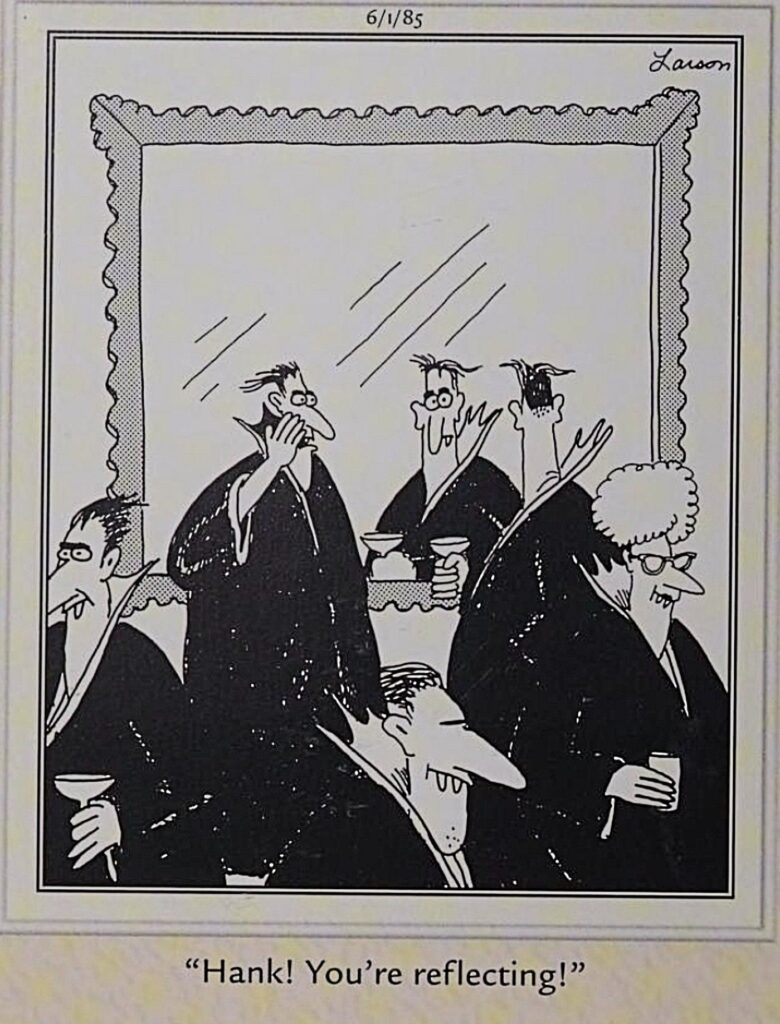
And, really, the tell-tale fangs and ears and pale skin, those are just other ways to clock who might be a vampire. Also? Who might have TB (Grady Hendrix can take you through this in his Super Scary Haunted Home School podcast).
Only LIVING blood
Vampires are basically ticks, yes? You ever seen a tick feeding on roadkill? I haven’t, and I’ve looked at a whole lot of roadkill. And I kind of suspect leeches don’t feed on dead things in the water, either. Same goes for mosquitos. There’s something missing—oxygen, maybe? I don’t know. But this is a wonderful way to keep Bob having to come to TOWN for his meals. Otherwise he could just rise from his grave, dig up the one he’s alongside, and crawl back into the coffin with sunrise, fully sated. This is such a good one, I had to use it for The Buffalo Hunter Hunter. First time I remember encountering it was Anne Rice. But I wonder if it’s not in Varney the Vampyre (didn’t enjoy that read, so most of it’s sunk)? And, of course, way on back down the centuries.
Related to this: only living HUMAN blood? Sometimes that’s the case. But of course Edward Cullen and his clan were ‘vegetarian’ vampires, mostly living on mountain lions and the like. I liked that, except . . . I didn’t much go for how it gave them an out: they didn’t have to deal with the ethical quandary of their feeding habits (presuming animals somehow don’t ‘count,’ yes). So . . . so in BHH I made there be a price for going ‘vegetarian.’ Which is probably the biggest change I made to my vampires. Except . . .
Can’t Stop
I don’t much like the “pass” vampires get in a lot of vampire stories, where they can go to the club, take a small drink from the necks of six or eight different people, wipe their minds, heal their fang-holes, and . . . and get a full meal that way. Like with the vegetarian thing, this is too easy, I think. Or, it allows them to sidestep the whole “killing” part of being a vampire. This is why the vampires in BHH, once they latch on, they can’t stop until either all the blood’s drained, or this thing’s no longer got living blood (that is: they’re dead). Even and up to their own side bursting from forcing too much blood in. However, if and when vampirism is being used to talk about date rape and/or roofies? Yes, then this vampire-at-the-club most definitely works (similarly, I guess, mesmerism and gaslighting might share certain things . . . ).
Sex
I can get why a vampire might intimate sex so as to get its prey isolated. And I guess “sexy vampires,” sure. Personally, I think vampires are monstrous, are cursed, that their infection isn’t a superpower, but . . . the people want what they want, right? There’s nothing wrong with that, either. Why not. But, having sex? Why would a vampire bother with such a human act, or practice? I mean, it’s not how they reproduce, even. Granted, it could be a power thing, it could be a leftover human addiction/want/need, it could just feel good, it could be a way to get their partner’s oxytocin circulating, bonding them one to another, all that, but . . . I don’t know. What’s the inside of a vampire even like, right? If blood’s what you drink, what you eat, what you subsist on, what you burn as fuel, then are you really going to use it in a hydromechanical sense? Wouldn’t sending it southward, male or female or neither or both, be something of a waste of essential resources? I mean, I like Lost Souls as much as anyone, and I can sort of ‘get’ sex in that, as vampires can be born of humans, but, in most vampire stories, it always feels like a romanticization that doesn’t really serve the essential monstrousness that defines the vampire. Zombie Bukake aside—okay, maybe The Loving Dead, I don’t exactly remember (except that it’s so, so good)—zombies aren’t hooking up either with humans or each other, are they? Werewolves do, sure, constantly, but werewolves are generally stories reminding us of our own bestial nature, so: makes pretty good sense, there. Never really tracks for vampires with me, though. Or: The Lesser Dead, say. Those vampires sleep in caskets because, if they don’t, roaches crawl all up inside them, as they’re, you know, gross and dead. That’s further than I take it in BHH, but I really respect that take.
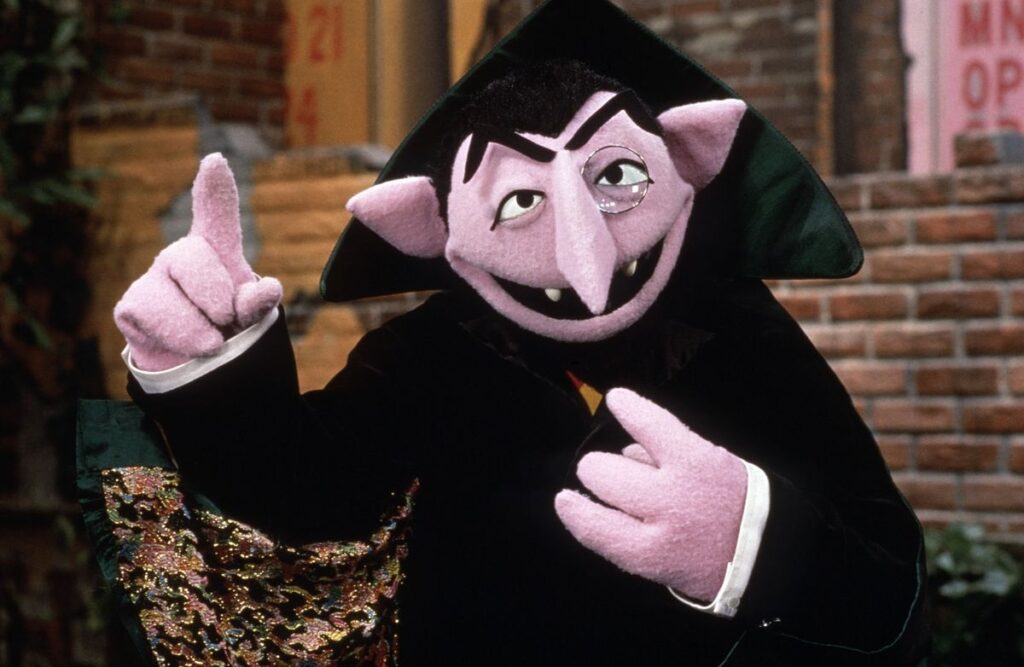
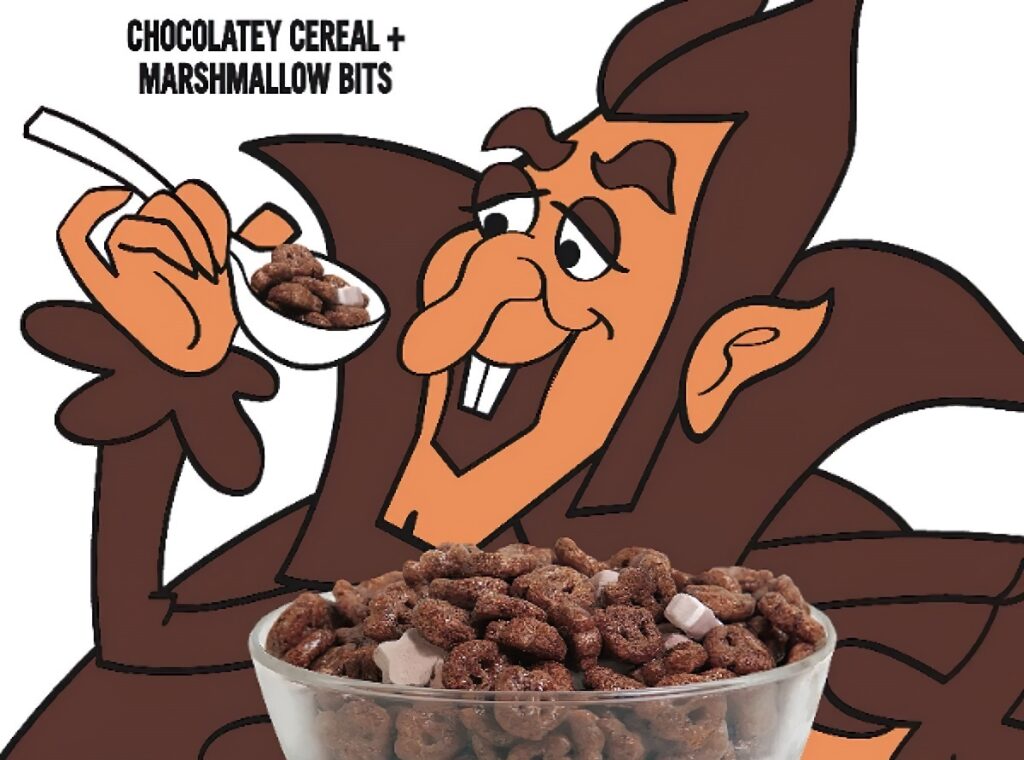
Can’t imagine I won’t remember a few more traits, snipe back in here to talk about them. But, for now, this is sort of pulling together what-all I’ve heard myself saying to auditoriums of people, the last year or so. But please don’t take this as a critique of everyone else’s cool vampires. Wonderful thing about the vampire is that it reshapes to best fit whatever story it’s in, and however it’s shaping itself this time out, that’s the best way for it to be, from Necroscope to Twilight to Blade, from Dracula and Carmilla to Lestat, from the flying, internal-monologging vampire of Tomb of Dracula to this fun dude:
I associate the whole “doesn’t reflect in mirrors” thing as having something to do with mirrors being backed with silver. My thought is that silver repels corruption so strongly that a mirror backed with it won’t even show a vampire’s reflection.
yep, that’s the argument, since mirrors used to, as I understand, be backed with actual silver. but, it’s funny: when silver’s good against werewolves, the argument becomes that silver’s antimicrobial, so repels that infection.
my suspicion? it’s that it’s rare/exotic, so it makes for good storytelling (characters have to use all their resources/wits/whatever to pull a bit of silver together).
always weird to me that it works for witches as well. it’s like iron against . . . is it fairies? elves?